


In 2026, business communication looks very different than it did even five years ago. Customers expect fast responses, employees work from multiple locations, and businesses rely on voice communication more than they realize. Yet many organizations are still using outdated or poorly designed phone systems that quietly slow them down.
If dropped calls, missed messages, limited mobility, or poor call quality sound familiar, your phone system may be holding your business back.
Ransomware isn’t just a headline anymore — it’s a business continuity threat that can disrupt operations, harm reputation, and cost more than you expect. This post explains the common mistakes SMBs make, the principles behind a resilient network design, and how OBTS’ “One Network” approach reduces the blast radius from ransomware attacks.
Why Business Phone Systems Still Matter
Despite the rise of email, chat, and messaging platforms, voice remains one of the most critical communication channels for businesses. Phone calls are often where:
Sales are closed
Support issues are resolved
First impressions are made
When phone systems fail or underperform, the impact is immediate — missed revenue, frustrated customers, and lost productivity.
Signs Your Phone System Is Outdated
Many businesses don’t realize their phone system is a problem until it becomes one. Common warning signs include:
Frequent dropped or poor-quality calls
No support for mobile or remote employees
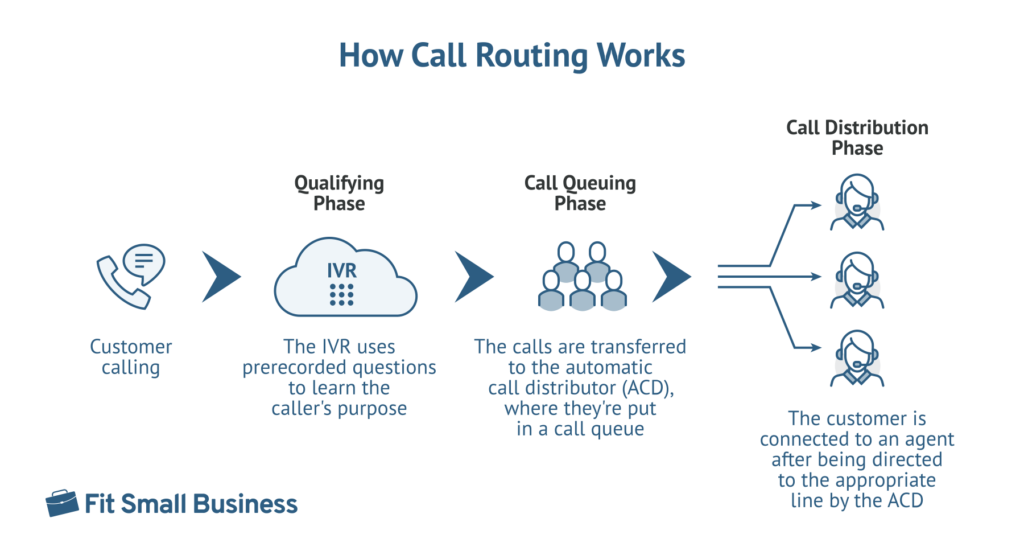
Limited call routing or after-hours handling
Voicemail systems that feel outdated or unreliable
Difficulty scaling as your business grows
If your phone system can’t adapt to modern workflows, it becomes a bottleneck instead of a business asset.
Legacy Phone Systems vs. Modern VoIP
Traditional phone systems were designed for a time when everyone worked in one office and calls stayed within four walls. Today, that model no longer works.
Modern VoIP (Voice over Internet Protocol) systems deliver:
Cloud-based call handling
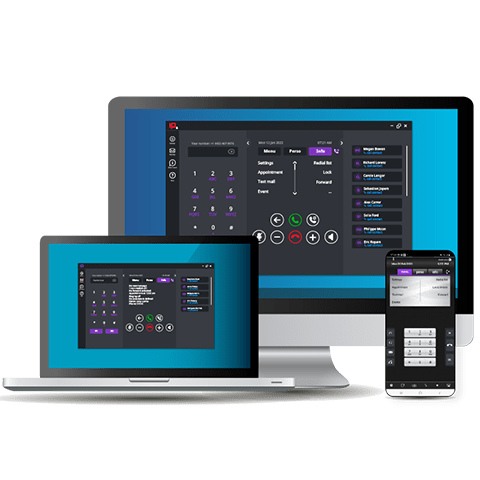
Support for desk phones, softphones, and mobile devices
Advanced call routing and auto attendants
Better scalability without expensive hardware upgrades
The shift to VoIP allows businesses to treat voice as part of their overall technology stack — not a standalone system that’s hard to manage.
The Hidden Cost of Poor Call Quality
Call quality issues are often blamed on the phone provider, but the real cause is frequently the network underneath the phone system.
Common network-related problems include:
Insufficient bandwidth
No Quality of Service (QoS) prioritization
Flat networks where voice traffic competes with data, Wi-Fi, cameras, and backups
Aging or improperly installed cabling
Without a properly designed network, even the best phone system will struggle to perform reliably.
How a Modern Phone System Improves Business Operations
Upgrading your business phone system isn’t just about technology — it’s about outcomes.
A modern system can help:
Reduce missed calls through smart routing
Improve customer experience with professional auto attendants
Enable hybrid and remote teams to stay connected
Scale easily as your business grows
Gain insight into call volume, performance, and trends
What to Look for in a Business Phone Solution
When evaluating your phone system in 2026, look beyond pricing and features. Consider:
Network readiness and call quality
Integration with existing systems
Support for remote and mobile users
Security and fraud prevention
Ongoing management and monitoring
Choosing the right solution means choosing a partner who understands both voice and the network behind it.
Thinking About Upgrading Your Phone System?
A modern phone solution starts with the right foundation. Evaluating both your voice needs and network design ensures reliable communication today — and scalability for tomorrow.
Contact OBTS to learn how a modern business phone system can support your operations in 2026 and beyond.